





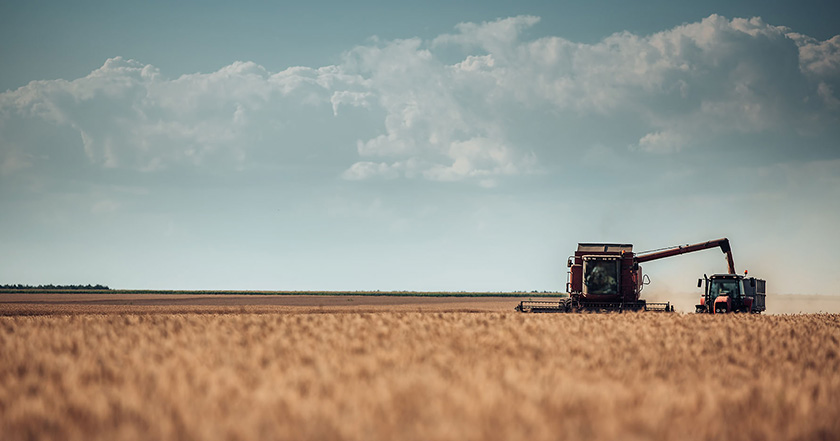
Agriculture remains a High-Risk Industry
Recent figures from the Health and Safety Executive (HSE) confirm that agriculture, forestry, and fishing remains one of the highest-risk industries in Great Britain. On 1 July 2026, HSE reported that 22 people lost their lives in work-related incidents within the sector during 2025/26 alone. While these fatalities represent the most serious outcome of workplace accidents, many more people experience non-fatal injuries each year.
Learning from Recent Fatal Accident Inquiries
A Fatal Accident Inquiry (FAI) is a public hearing during which a Sheriff examines the circumstances surrounding a sudden death and considers whether any reasonable precautions could have been taken to prevent similar incidents in the future. In Scotland, an FAI is mandatory where a death results from a work-related accident.
Recent FAIs have involved some of the most common causes of fatal accidents on farms, which include falls from height, incidents involving livestock and contact with machinery. In one case involving livestock handling, the Sheriff concluded that a physical barrier may have prevented the accident. Other inquiries have been initiated following a machinery-related death and a number of fatal falls on farms across Scotland.
These incidents provide a stark reminder of how many serious farm accidents arise from well-recognised hazards, reinforcing the importance of regularly reviewing working practices and implementing appropriate safeguards.
The Legal Framework
To help prevent accidents on farms (and other industries), the Health and Safety at Work etc Act 1974 and The Management of Health and Safety at Work Regulations 1999 place a number of duties on employers. Key responsibilities include:
• Preparing and regularly reviewing a written health and safety policy and communicating the policy to employees.
• Carrying out risk assessments to identify hazards and determine the measures required to eliminate or control risks.
• Recording significant findings of risk assessments and regularly reviewing the measures in place to ensure they remain effective.
• Providing suitable equipment and machinery and maintaining it in good working order.
• Establishing safe working methods.
• Providing and maintaining a safe working environment with adequate welfare facilities.
• Providing employees with information about the risks to their health and safety and the measures in place to protect them.
• Providing appropriate health and safety training to employees, both on recruitment and whenever they are exposed to new or increased risks.
Alongside compliance with these legal obligations, farming businesses should also ensure that appropriate insurance arrangements are in place to provide protection in the event of an accident.
Protecting More than Employees
Employers must also take reasonable steps to ensure that individuals who are not employees are protected from risks arising from farming activities. This includes casual workers, contractors, family members, visitors and members of the public. Self-employed farmers owe a similar duty to themselves and to others.
Protecting Your Business from Risk
Where health and safety laws are breached, enforcement action may be taken by HSE and, in some circumstances, criminal proceedings may follow. Depending on the nature and seriousness of the breach, courts can impose fines and, in some cases, custodial sentences. Courts may also require steps to be taken to remedy the cause of the breach.
In addition to criminal sanctions, businesses and individuals may also face civil claims for compensation from injured parties or, in the event of fatal accidents, their families.
Putting Farm Safety into Practice
Farm Safety Week provides an opportunity for farming businesses to review their health and safety arrangements and consider whether any improvements can be made. This includes reviewing health and safety policies, the measures implemented to protect against known hazards, employee training records and emergency procedures. Regular reviews can help ensure these documents remain up to date and accurately reflect current working practices.
Farm Safety Week also encourages farming businesses to take practical steps to improve safety across their operations, including by inspecting equipment and ensuring that inspection records are up to date, reviewing livestock handling arrangements, consulting with employees on health and safety matters and assessing any specific risks present on the farm. Such measures can make a significant difference in reducing risks and promoting a positive safety culture across the business.
Taking Action on Farm Safety
Farm safety is not simply a legal requirement, it is an essential part of running a resilient and sustainable farming business. By learning from recent Fatal Accident Inquiries, regularly reviewing safety procedures and taking proactive steps to manage risk, farming businesses can help prevent accidents before they occur. A strong health and safety culture protects workers, family members, contractors and visitors, while also helping to safeguard productivity, business continuity and the long-term future of the farm.